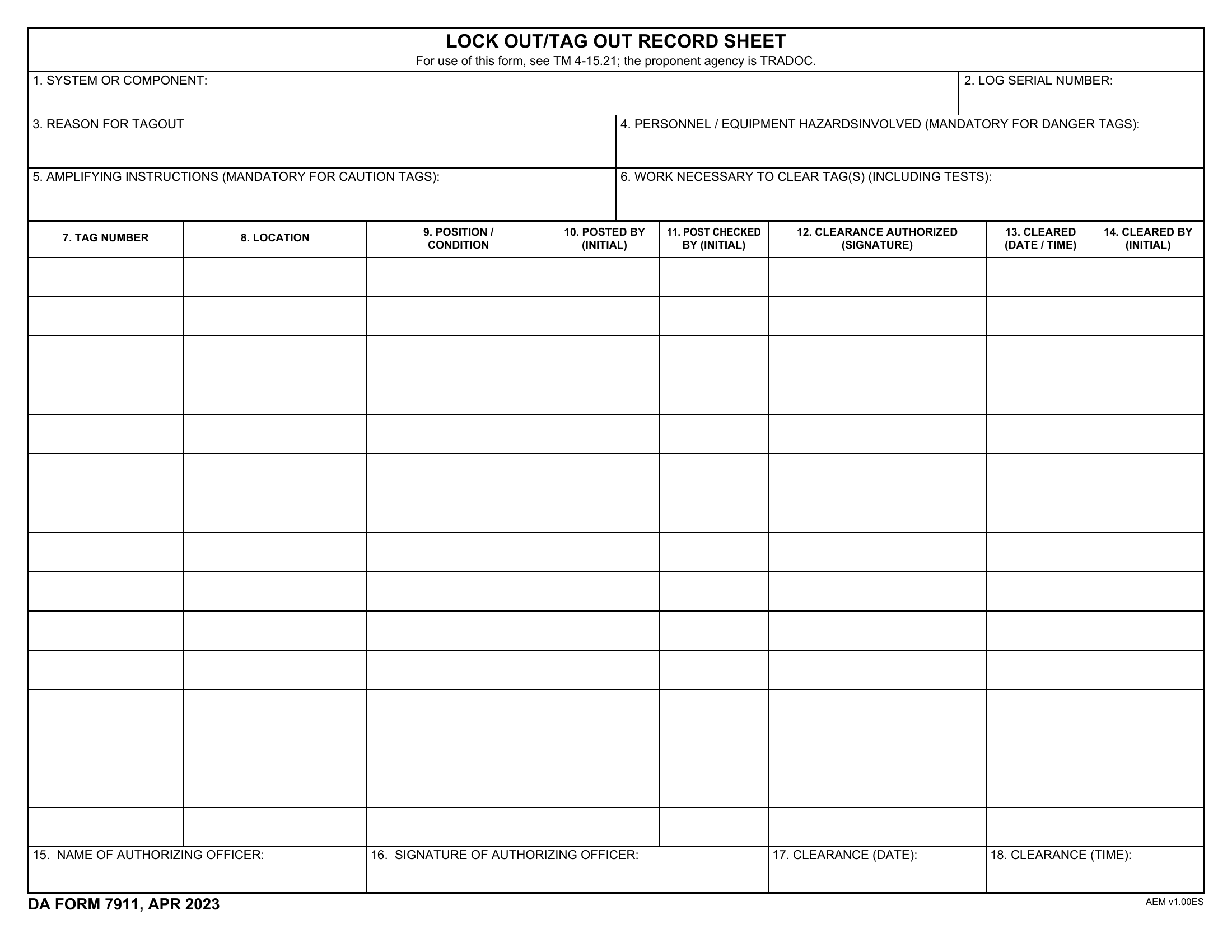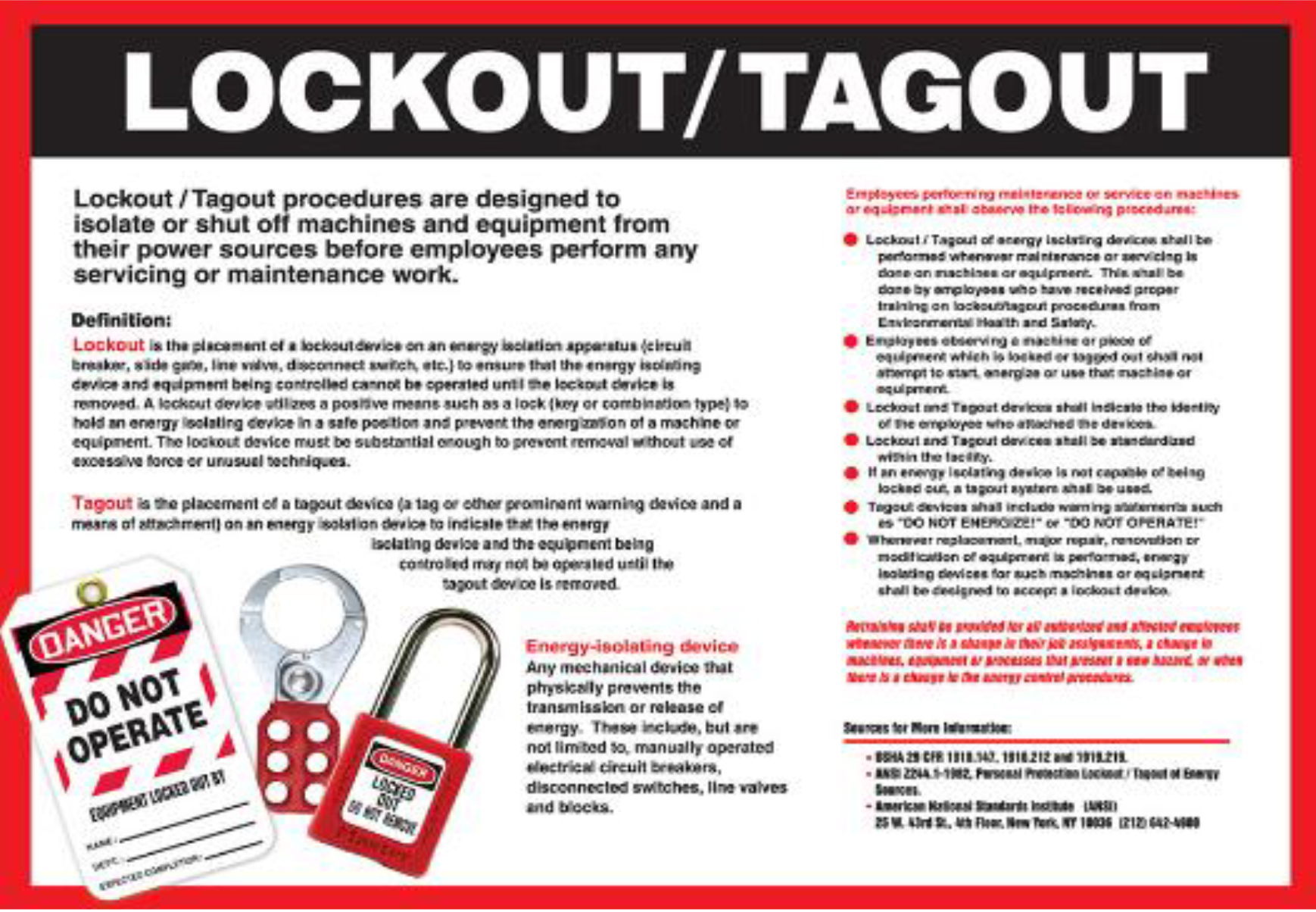
A worker reaches into a jammed conveyor belt without disconnecting the power. Seconds later, the machine restarts remotely. The result: a life-altering injury. This scenario isn’t hypothetical—it happens when lockout/tagout (LOTO) procedures are ignored or misapplied. The core question isn’t whether LOTO is important. It’s knowing when it’s legally and practically required.
Lockout/tagout isn't just a safety checklist item. It’s a mandated safeguard against hazardous energy releases—mechanical, electrical, hydraulic, pneumatic, chemical, or thermal—that can cause severe injury or death. But organizations often falter not from lack of policy, but from uncertainty about when the procedure applies. The line between routine operation and servicing isn’t always clear. Misjudging it can be catastrophic.
This article cuts through the ambiguity. We’ll outline the definitive triggers for LOTO, clarify gray areas, and show how real workplaces correctly apply the standard.
The Legal Foundation: OSHA’s Criteria for LOTO
The U.S. Occupational Safety and Health Administration (OSHA) standard 29 CFR 1910.147 sets the baseline: lockout/tagout is required during any servicing, maintenance, or repair where employees are exposed to unexpected energization or startup of machinery.
That means: - The machine or equipment must be shut down. - An employee must perform work that involves removing or bypassing a guard or placing any part of the body into a point of operation. - There is a potential for hazardous energy release.
If all three are present, LOTO isn’t optional—it’s a legal requirement.
OSHA explicitly excludes normal production operations, such as feeding, adjusting, or inspecting equipment under routine conditions. But the moment the task goes beyond minor adjustments or requires access to danger zones, the LOTO protocol kicks in.
Example: Clearing a paper jam on a printer during daily use may not require full lockout if no guards are removed and hands stay clear of moving parts. But if an employee must open a safety door to reach the drum, LOTO becomes mandatory.
Clear Triggers That Require Lockout/Tagout
Knowing the rule is one thing. Recognizing it in real time is another. These are the most common situations where LOTO is non-negotiable.
1. Equipment Maintenance or Servicing
Any planned maintenance—lubrication, cleaning, part replacement—requires LOTO if it involves exposure to hazardous energy.
Example: Changing a motor on a hydraulic press. The technician must isolate the electrical supply and relieve hydraulic pressure. Without lockout, accidental energization could activate the press ram.
2. Clearing Jams or Blockages
When a machine jams and requires physical intervention, LOTO applies if the employee must bypass a guard or reach into a danger zone.
This is where many incidents occur. Workers rush to “just clear the jam quickly” without locking out. OSHA considers this servicing, not routine operation.
Example: A food processor jams. The operator opens the lid and reaches in with a tool. If the machine could restart automatically or be started remotely, lockout is required.
3. Disassembly or Adjustment Beyond Normal Operation
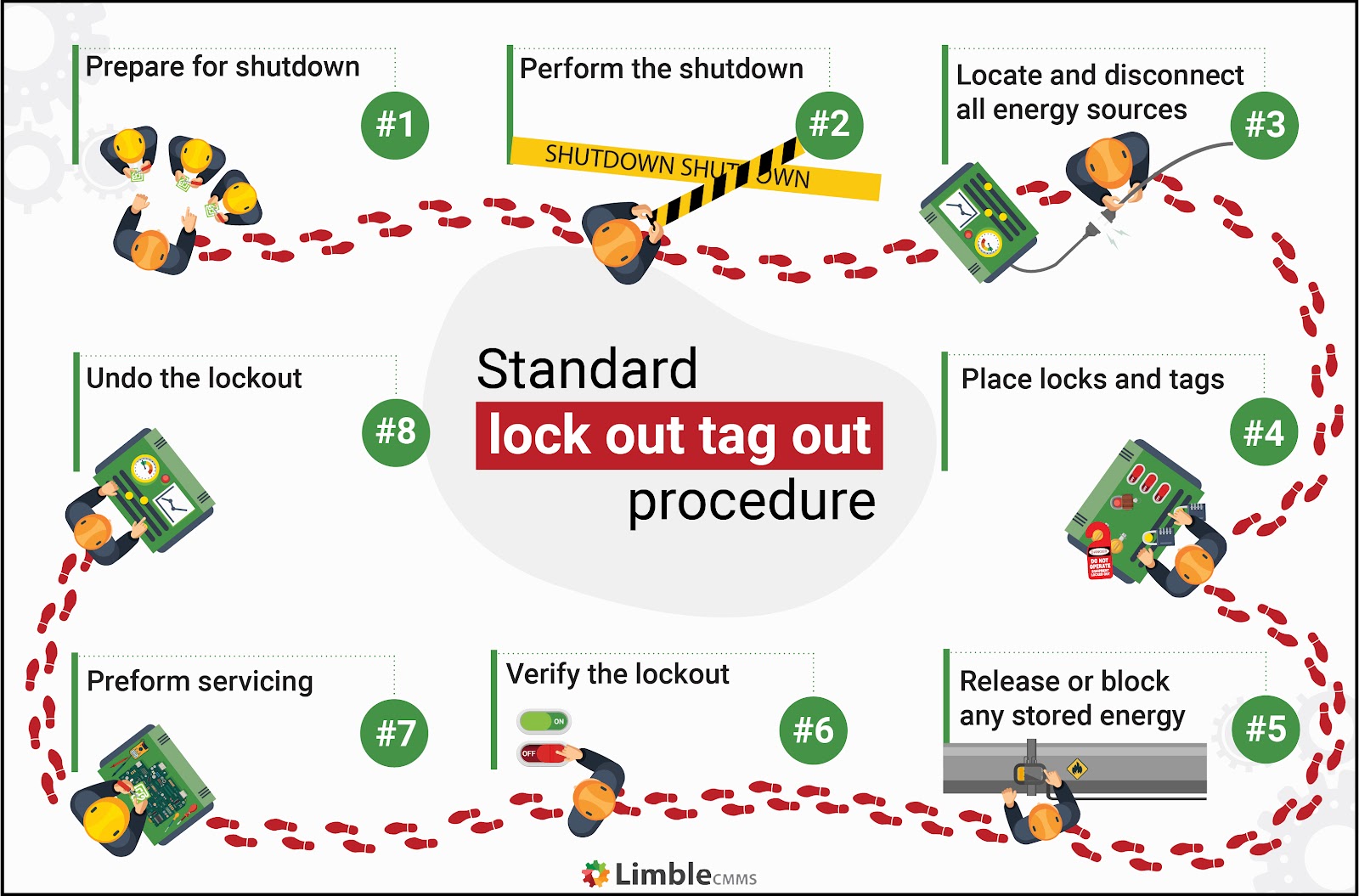
Adjusting a machine for a new product run may require LOTO if guards are removed or body parts enter danger zones.
Example: Aligning a robotic welding arm. If the technician must enter the robot’s work envelope, full lockout is mandatory—even if the task takes only two minutes.
4. Preventive or Predictive Maintenance
Scheduled inspections, sensor replacements, or vibration analysis that require machine access demand LOTO.
Example: Replacing a temperature sensor inside a boiler. Even if the boiler is offline, residual heat and pressure pose risks. Lockout includes isolating energy sources and verifying zero energy state.
5. Tool Changes or Setup Activities
Changing dies, blades, or tooling on industrial machines often requires LOTO due to exposure to moving parts.
Example: A press operator swaps out a die. The task involves entering the point of operation. OSHA requires lockout during setup unless the activity qualifies under the minor servicing exception.
The Minor Servicing Exception: A Narrow Loophole
OSHA allows a limited exemption known as the "minor servicing exception." Routine, repetitive, minor tasks during normal production may not require full lockout if: - The work is integral to production. - It occurs during normal operation. - Effective alternative protective measures are in place (e.g., proper machine guarding, presence-sensing devices).
Common qualifying tasks include: - Clearing minor jams on a packaging line with no guard removal. - Feeding material into a machine with fixed guarding. - Adjusting guides or rollers using tools from outside the point of operation.
But this exception is narrow. If the task requires bypassing a guard, using hands to clear a jam, or working near moving parts without protection, the exception does not apply.
Critical Mistake: Using the minor servicing exception as a blanket justification for skipping LOTO during jams or adjustments. It’s one of OSHA’s most-cited violations.
Energy Sources That Require Isolation
LOTO isn’t just about flipping an electrical switch. Machines often have multiple energy sources that must all be controlled.
| Energy Type | Isolation Method Example |
|---|---|
| Electrical | Disconnect switch, circuit breaker lockout |
| Hydraulic | Relieve pressure, block fluid flow |
| Pneumatic | Bleed air lines, close and lock valves |
| Mechanical | Block moving parts (e.g., springs, flywheels) |
| Chemical | Isolate supply lines, vent tanks |
| Thermal | Allow cooling, insulate hot surfaces |
Failure to control all energy sources renders LOTO incomplete. A machine may be electrically locked out but still move due to stored hydraulic pressure—creating a false sense of security.
Example: A technician locks out a conveyor’s motor but doesn’t block rollers under tension. When he adjusts the belt, the spring-loaded mechanism releases, crushing his hand.
Real-World Scenarios: When LOTO Applies (and When It Doesn’t)
Understanding nuance is key. Here are realistic examples that illustrate proper LOTO application.
✅ Required: - Replacing a belt on a powered saw. - Cleaning debris from inside a mixer vat. - Servicing a conveyor drive chain. - Calibrating a robotic arm’s end effector. - Inspecting a furnace lining.
❌ Not Required (under minor servicing): - Loading paper into a copier with interlocked guards. - Adjusting a camera on a production line using a joystick from outside the danger zone. - Clearing a small jam on a fully guarded conveyor using a tool without opening guards.
⚠️ Gray Area – Better to Lock Out: - Performing maintenance during a short production break. - Using a long tool to clear a jam but standing close to moving parts. - Servicing equipment controlled by remote start systems.
When in doubt, lock out. It’s faster to isolate energy than to file an injury report.
Common LOTO Failures and How to Avoid Them
Even organizations with LOTO programs make critical mistakes. These are the most frequent errors—and how to fix them.
1. Incomplete Energy Control Workers lock out electrical power but ignore pneumatic lines. ✅ Fix: Conduct an energy source audit for each machine. Document all sources in the LOTO procedure.
2. Using Tagout Without Lockout When Lockout Is Feasible Tags can be removed; locks cannot. Tagout alone is only acceptable if a lock can’t be applied. ✅ Fix: Use lockout devices as the primary method. Tagout should be a last resort with additional safeguards.
3. Skipping Verification of Zero Energy State Assuming the machine is de-energized without testing. ✅ Fix: Always verify—try to start the machine after lockout, check gauges, use voltage testers.
4. Group LOTO Confusion Multiple workers on one machine without individual locks and a clear procedure. ✅ Fix: Use group lockout boxes. Each employee applies their own lock. The primary authorized employee coordinates removal.
5. Poor Training and Communication Contractors or temporary workers unaware of LOTO rules. ✅ Fix: Train all personnel, including contractors. Post procedures near equipment.
Building a Reliable LOTO Program
Compliance isn’t just about knowing when to apply LOTO—it’s about creating systems that make it easy to do the right thing.
Key Steps:
- Conduct a Machine Audit
- Identify all equipment requiring LOTO and catalog energy sources.
- Develop Machine-Specific Procedures
- Write step-by-step instructions for each machine: shutdown, isolation, lockout, verification, restoration.
- Train Authorized and Affected Employees
- Authorized employees apply LOTO. Affected employees (operators) must understand the process and their role.
- Perform Annual Inspections
- Review procedures yearly. Observe employee use of LOTO and correct gaps.
- Use Standardized Lockout Devices
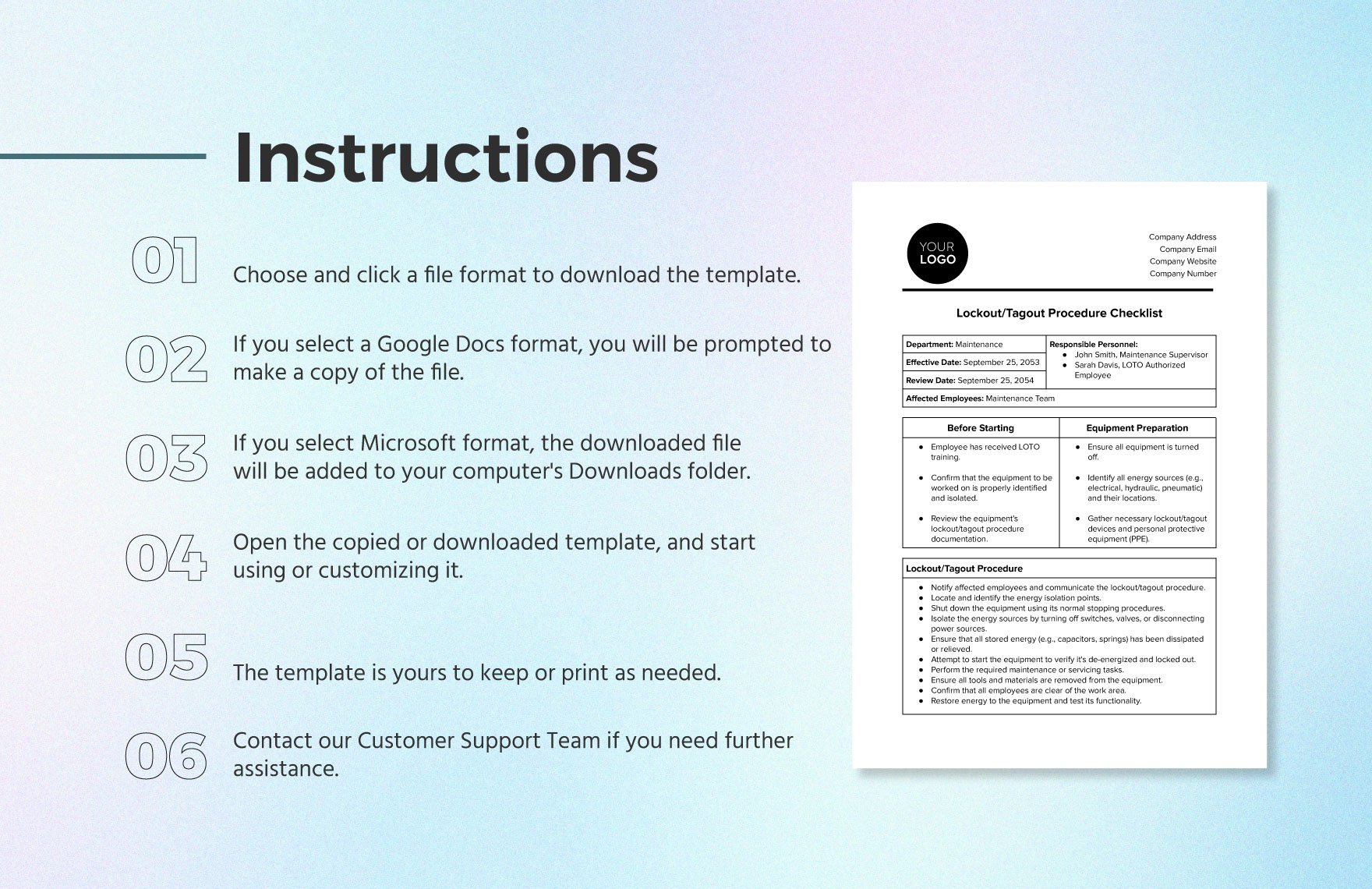
- Invest in durable hasps, locks, tags, and valve locks. Color-code by department or energy type.
- Document Everything
- Maintain logs of training, inspections, and incidents.
A strong LOTO program doesn’t just prevent citations—it prevents amputations, electrocutions, and fatalities.
Final Word: Know the Threshold
Lockout/tagout is required the moment a worker performs servicing or maintenance that exposes them to hazardous energy. It’s not about convenience. It’s about recognizing the threshold between safe operation and hazardous intervention.
If the task involves removing a guard, reaching into a danger zone, or working on energized components, lockout is mandatory. There are no shortcuts. There are no exceptions for speed.
Implement clear procedures. Train rigorously. Audit consistently. When every employee knows when LOTO applies—and acts on it—the risk of catastrophic injury drops to near zero.
Protect your team. Lock it out. Every. Single. Time.
Frequently Asked Questions
When is lockout/tagout not required? During normal production operations where tasks are minor, routine, and performed using provided safeguards without removing guards or reaching into danger zones.
Does cleaning equipment always require LOTO? Only if the cleaning requires bypassing guards or entering danger zones. Routine exterior cleaning during operation typically doesn’t require lockout.
Can tagout be used instead of lockout? Only if a lock cannot be physically applied. Tagout alone is less secure and requires additional safety measures.
Who is responsible for applying LOTO? Authorized employees—those trained to implement the energy control procedure—are responsible for applying and removing locks and tags.
What’s the difference between an authorized and affected employee? Authorized employees perform LOTO. Affected employees operate or use equipment but don’t perform maintenance.
Do robots require LOTO during maintenance? Yes. Servicing any industrial robot requires full lockout due to multiple energy sources and unpredictable motion.
How often should LOTO procedures be reviewed? Annually, with documentation of inspections and updates made as equipment or processes change.
FAQ
What should you look for in When Is a Lockout/Tagout Procedure Required? Key Triggers? Focus on relevance, practical value, and how well the solution matches real user intent.
Is When Is a Lockout/Tagout Procedure Required? Key Triggers suitable for beginners? That depends on the workflow, but a clear step-by-step approach usually makes it easier to start.
How do you compare options around
When Is a Lockout/Tagout Procedure Required? Key Triggers? Compare features, trust signals, limitations, pricing, and ease of implementation.
What mistakes should you avoid? Avoid generic choices, weak validation, and decisions based only on marketing claims.
What is the next best step? Shortlist the most relevant options, validate them quickly, and refine from real-world results.