Workers are injured every year during equipment servicing—not because of complex machinery, but because of skipped safety steps. One of the most preventable causes? Failure to properly implement lockout tagout (LOTO) procedures. A well-structured lockout tagout training PDF is more than just a document—it’s a frontline defense against workplace injuries, equipment damage, and regulatory penalties.
For safety managers, maintenance supervisors, and compliance officers, having immediate access to clear, actionable training materials is non-negotiable. That’s where a high-quality LOTO training PDF comes in: a portable, standardized, and OSHA-aligned resource that educates teams on how to safely de-energize machinery before performing maintenance or repairs.
This guide walks through what to look for in a reliable LOTO training PDF, how to use it effectively, and where to find or create one that meets real-world safety demands.
What Is a Lockout Tagout Training PDF?
A lockout tagout training PDF is a digital training document designed to educate employees on the proper procedures for isolating and controlling hazardous energy sources. These PDFs are typically used during onboarding, refresher training, or as quick-reference guides on the shop floor.
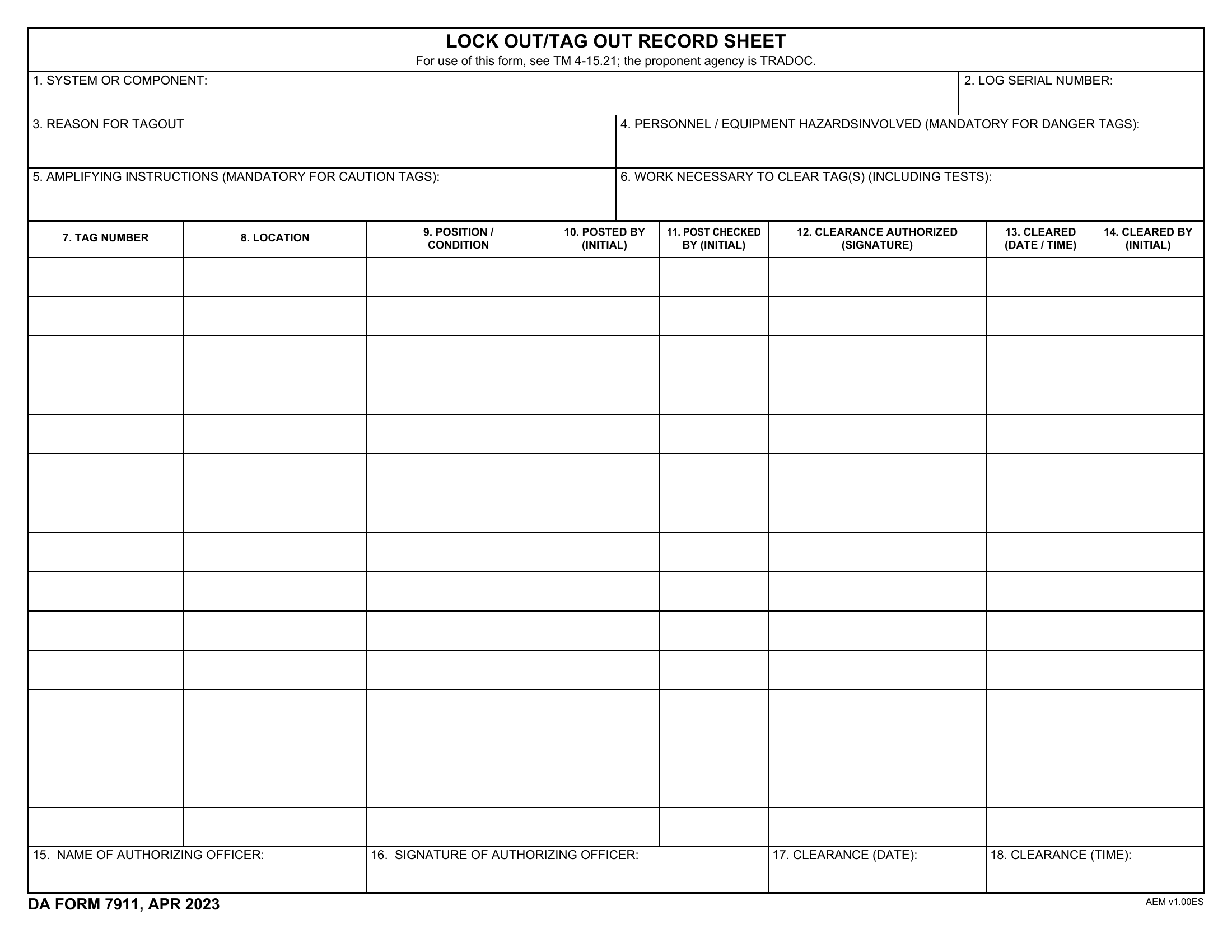
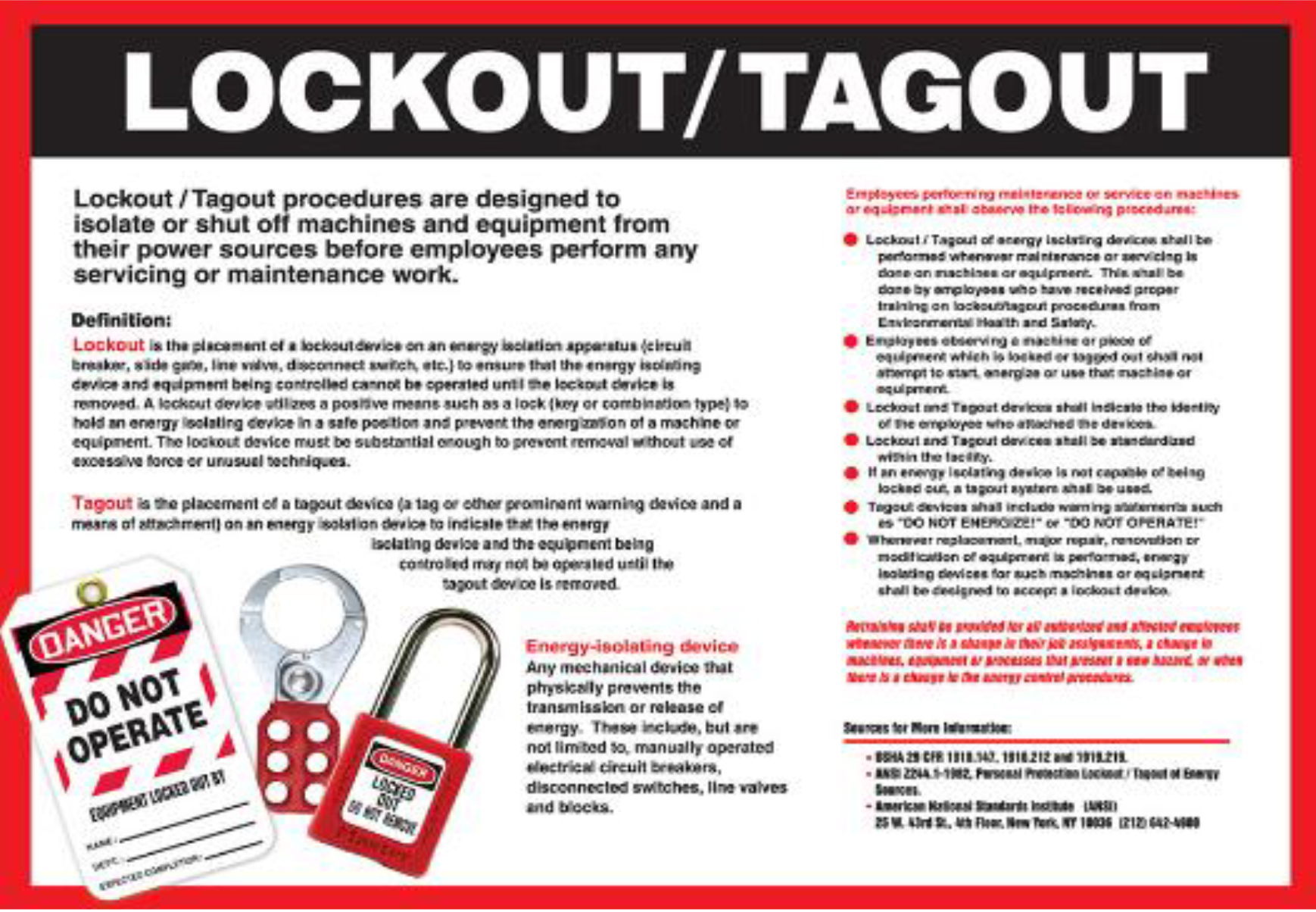
Unlike generic safety handouts, an effective LOTO training PDF includes: - Clear definitions of lockout vs. tagout - Step-by-step energy isolation procedures - Roles and responsibilities (authorized vs. affected employees) - Equipment-specific examples - Visual diagrams of lockout devices - OSHA regulation references (29 CFR 1910.147) - Quiz or sign-off sections for compliance tracking
These documents aren’t meant to replace hands-on training—they complement it. A PDF ensures consistency across shifts, locations, and training sessions, reducing ambiguity in high-risk situations.
Why Your Safety Program Needs a LOTO Training PDF
Relying solely on verbal instruction or memory is a gamble. Equipment varies, personnel change, and stress levels rise during emergency repairs. Without a standardized reference like a LOTO training PDF, gaps in understanding can lead to catastrophic errors.
Consider this real-world scenario: A maintenance technician begins cleaning a conveyor system without verifying that all energy sources—electrical, pneumatic, and gravitational—are locked out. A coworker, unaware of the work being done, restarts the line remotely. The result: severe lacerations and a six-figure OSHA fine.
A LOTO training PDF prevents such incidents by: - Reinforcing standardized procedures across all teams - Providing a permanent record of training content - Serving as part of OSHA audit documentation - Reducing training time for new hires - Supporting multilingual workforces with translated versions
Smart organizations don’t just distribute PDFs—they integrate them into broader energy control programs, ensuring every worker can access, understand, and apply the rules when it matters most.
Key Elements of an Effective LOTO Training PDF

Not all training PDFs are created equal. Many templates found online are outdated, overly technical, or missing critical components. To be truly effective, your LOTO training PDF must include these core sections:
#### 1. Introduction to Hazardous Energy Define what hazardous energy is (electrical, mechanical, hydraulic, pneumatic, chemical, thermal) and why uncontrolled release is dangerous. Use real incident summaries to drive the point home.
#### 2. Roles: Authorized vs. Affected Employees Clearly distinguish responsibilities: - Authorized employees perform lockout and are trained in energy isolation. - Affected employees operate or use equipment but don’t perform maintenance.
Misclassifying roles is a common compliance flaw during OSHA inspections.
- #### 3. Step-by-Step Lockout Procedure Break down the seven-step OSHA-recommended process:
- Prepare for shutdown
- Notify affected employees
- Shut down the machine
- Isolate energy sources
- Apply lockout/tagout devices
- Release stored energy
- Verify isolation
Include a checklist format for quick reference.
#### 4. Device Types and Proper Use Illustrate common lockout devices: hasp locks, valve locks, circuit breaker locks, plug locks. Explain why tags alone (without locks) are insufficient in most cases.
Insight: Tags are warnings. Locks are controls. Relying only on tags increases risk because they can be ignored or removed.
#### 5. Group Lockout Scenarios Cover how to manage lockout during team maintenance. Use a group lockout box example where each technician applies their own lock to a central device.
#### 6. Retraining and Compliance Tracking Include a sign-off sheet with space for employee name, date, trainer signature, and next retraining date. OSHA requires retraining at least annually or after procedure changes.
Common Mistakes in LOTO Training PDFs
Even well-intentioned documents can fail due to oversights. Avoid these frequent errors:
- Using generic templates with no site-specific equipment examples
- → Fix: Customize with photos or diagrams of actual machinery in your facility.
- Focusing only on electrical lockout
- → Fix: Include mechanical, pneumatic, and gravity-based hazards (e.g., suspended loads).
- Assuming one-size-fits-all
- → Fix: Create separate procedures for high-risk vs. low-risk equipment.
- No verification step explanation
- → Fix: Emphasize “test before touch” protocols with clear instructions.
- Missing multilingual support
- → Fix: Offer Spanish or other language versions if needed.
A PDF that skips these elements may pass a desk audit but fails in the field.
How to Use a LOTO Training PDF in Real Workflows
A PDF shouldn’t live in a folder—it should be part of daily operations. Here’s how to integrate it effectively:
#### During New Hire Training Use the PDF as a workbook. Have trainees highlight key sections, complete built-in quizzes, and sign acknowledgment pages. Pair it with a live demonstration.
![Lockout Tagout Training Video [Employee OSHA Training on LOTO]](https://i.ytimg.com/vi/Np14M0du758/maxresdefault.jpg)
#### As a Pre-Work Reference Print and laminate key pages (e.g., the 7-step procedure) and post them near high-risk equipment. Digital copies can be loaded onto tablets used by maintenance teams.
#### For Audits and Inspections Keep a master copy in your safety manual. Include version control (e.g., “Rev. 3, Approved 03/2024”) to show due diligence.
#### During Incident Reviews After a near-miss or lockout error, pull up the PDF to review where the process broke down. Was the training unclear? Was a step skipped?
Tip: Add QR codes in your facility that link directly to the LOTO PDF on your intranet—ensuring instant access from any mobile device.
5 Reliable Sources for Lockout Tagout Training PDFs
You don’t always need to build from scratch. These trusted sources offer ready-to-use or customizable LOTO training PDFs:
| Source | Features | Best For |
|---|---|---|
| OSHA.gov | Free, regulation-aligned, official guidance | Compliance baseline |
| National Safety Council (NSC) | Professionally designed, includes quizzes and sign-offs | Organizations wanting polished materials |
| EHS Daily Advisor | Industry-specific templates (manufacturing, chemical, etc.) | Facilities needing niche examples |
| SafetyVideos.com | Bundled PDFs with training videos | Teams combining visual and written learning |
| Creative Safety Supply | Customizable templates with diagrams | Quick deployment across multiple sites |
While free templates save time, always validate them against your equipment and procedures. A PDF that works for a packaging line may not apply to a chemical reactor.
Creating Your Own Custom LOTO Training PDF For maximum effectiveness, develop a site-specific document. Follow this workflow:
- Audit Your Equipment
- List all machines requiring LOTO. Note energy types and isolation points.
- Map Lockout Procedures
- For each machine, document the exact shutdown and isolation steps.
- Include Visuals
- Add photos or diagrams showing lock placement, valve positions, and energy sources.
- Review with Maintenance Teams
- Get feedback from technicians—they’ll spot flaws in theory vs. practice.
- Add Compliance Sections
- Include OSHA references, training logs, and emergency contacts.
- Publish and Distribute
- Save as a PDF with bookmarks for navigation. Host on your internal EHS portal.
Example: A food processing plant created machine-specific LOTO PDFs, each 2–3 pages long. Technicians download the correct one via a tablet before starting maintenance—reducing errors by 70% in six months.
Final Thoughts: Make LOTO Training Accessible, Not Academic
A lockout tagout training PDF shouldn’t read like a regulatory textbook. It should be clear, practical, and immediately useful. The best versions are concise, visually guided, and rooted in real operations.
Your goal isn’t just compliance—it’s creating a culture where every worker feels confident and capable of controlling hazardous energy. A well-crafted PDF supports that mission every time it’s opened.
Start by auditing your current training materials. If they’re generic, outdated, or hard to use, revise or replace them. Then, ensure every authorized employee has access—digitally and physically. Safety isn’t just policy. It’s practice.
Frequently Asked Questions
What should a lockout tagout training PDF include? It should cover hazardous energy types, authorized vs. affected roles, step-by-step procedures, device usage, group lockout rules, and compliance sign-offs.
Is a PDF enough for OSHA compliance? No—OSHA requires hands-on training and periodic retraining. A PDF supports but doesn’t replace live instruction.
Can I use a free LOTO training PDF from OSHA? Yes, OSHA provides free guidance documents, but they must be customized to your equipment and site-specific procedures.
How often should LOTO training PDFs be updated? Review annually or whenever machinery, processes, or regulations change. Include version dates for tracking.
Are digital LOTO PDFs acceptable for training records? Yes, if they’re secured, version-controlled, and include employee sign-offs or training logs.
Should LOTO training PDFs be translated? Yes, if you have non-English-speaking workers. OSHA requires training in a language employees understand.
Can a LOTO PDF be used during an audit? Absolutely. It demonstrates standardized training content and supports your energy control program documentation.
FAQ
What should you look for in Lockout Tagout Training PDF Guide for Workplace Safety? Focus on relevance, practical value, and how well the solution matches real user intent.
Is Lockout Tagout Training PDF Guide for Workplace Safety suitable for beginners? That depends on the workflow, but a clear step-by-step approach usually makes it easier to start.
How do you compare options around Lockout Tagout Training PDF Guide for Workplace Safety? Compare features, trust signals, limitations, pricing, and ease of implementation.
What mistakes should you avoid? Avoid generic choices, weak validation, and decisions based only on marketing claims.
What is the next best step? Shortlist the most relevant options, validate them quickly, and refine from real-world results.