Every year, hundreds of preventable injuries occur during equipment maintenance because of improper energy isolation. At the heart of every effective lockout tagout (LOTO) program are the physical locks that physically prevent machinery from being energized. While tags serve as warnings, it’s the locks that provide the real barrier. Choosing the wrong lock—whether due to material, design, or compatibility—can compromise an entire safety protocol.
This isn’t about checking a compliance box. It’s about ensuring that when a technician opens a motor panel or services a conveyor system, they’re protected from sudden startup or release of stored energy. The right lock must be durable, tamper-resistant, clearly identifiable, and compatible with the lockout points on-site.
Understanding the role of these locks within broader LOTO procedures separates compliant facilities from truly safe ones.
The Role of Locks in a Full Lockout Tagout Procedure
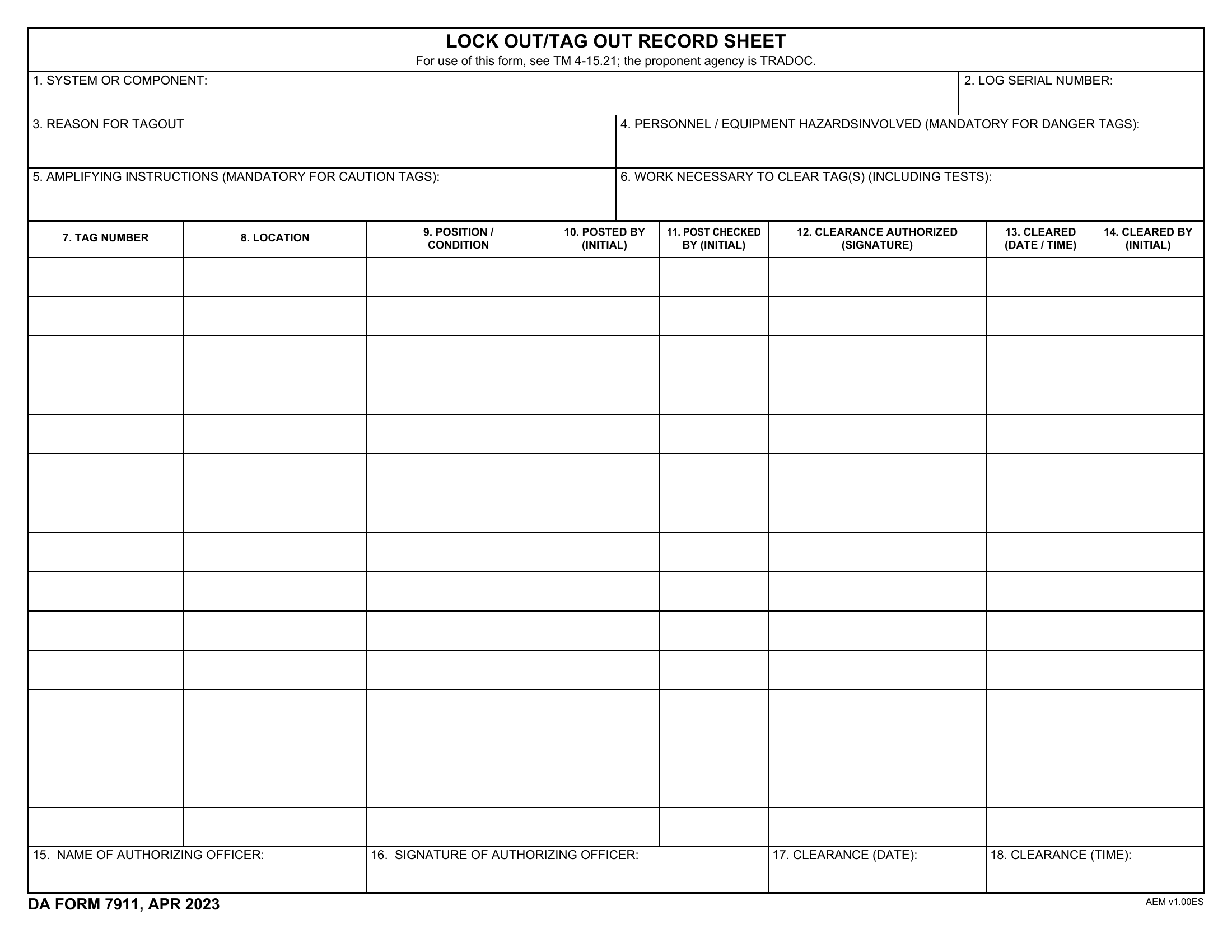
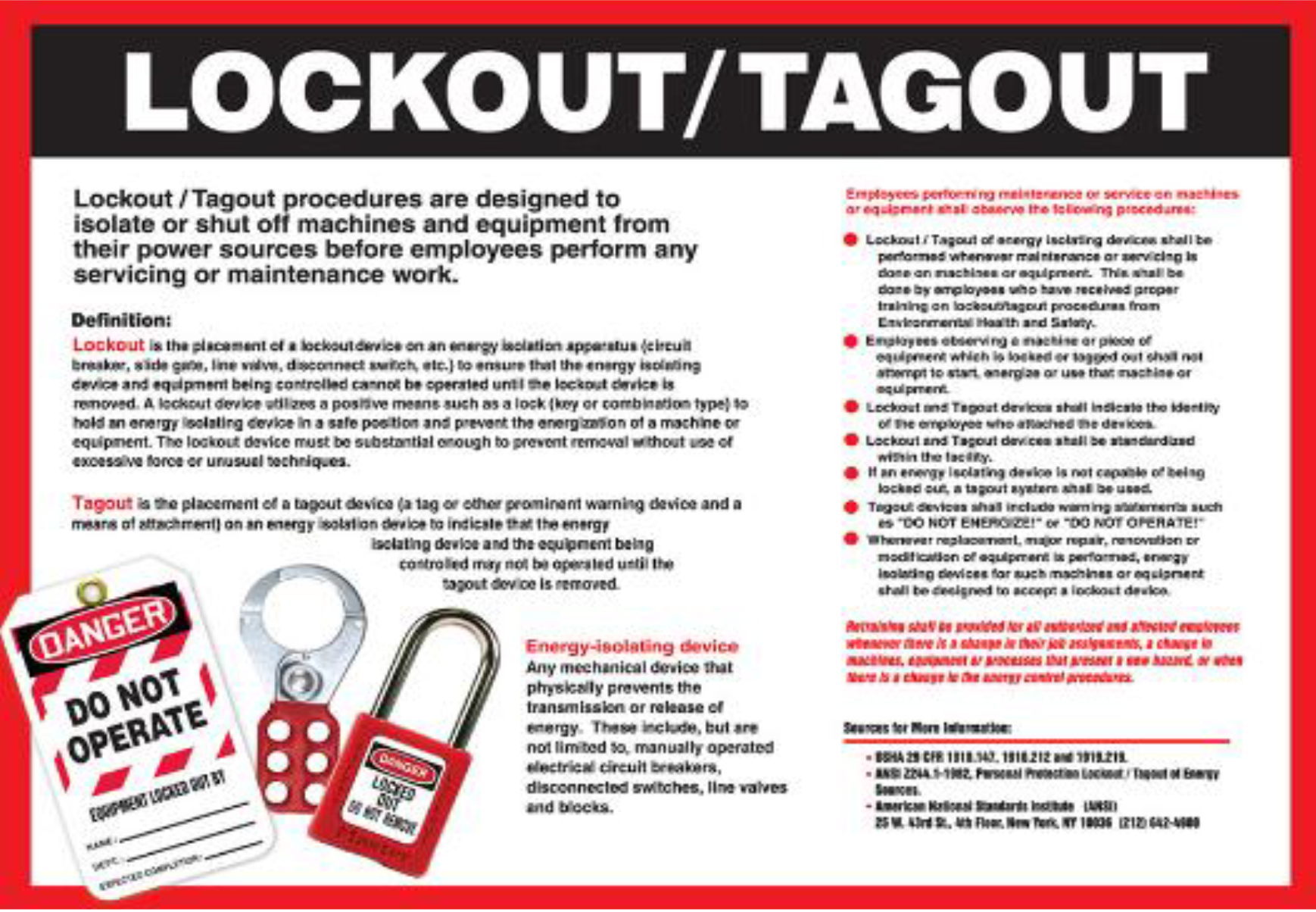
Lockout tagout isn’t just about placing a padlock on a switch. It’s a structured process involving preparation, shutdown, isolation, locking, verification, and eventual re-energization. Locks enter the scene at the isolation phase, where authorized personnel apply their personal lock to each energy-isolating device.
- A lock serves two critical functions:
- Physical prevention – It stops a valve, breaker, or switch from being turned on.
- Accountability – Each lock is assigned to one worker. No machine restarts until every lock is removed by the individual who applied it.
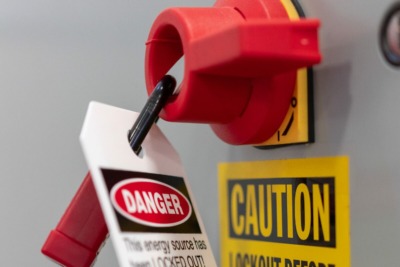
Tags complement the lock by providing information: who locked the device, when, and why. But tags alone don’t stop energy flow. That responsibility falls solely on the lock.
In practice, consider a maintenance team servicing a hydraulic press. Multiple energy sources—electrical, hydraulic, mechanical—must be isolated. Each source has a designated lock point. Locks are applied, systems are de-energized, and a zero-energy check confirms safety. Only after all work is complete and personnel are clear do individuals remove their own locks.
A weak or inappropriate lock—such as one that can be easily bypassed or corrodes in damp conditions—breaks this chain of protection.
Key Features to Look for in LOTO Locks
Not all padlocks are built for lockout. Standard hardware store locks may resist casual tampering but fail under industrial demands. The best locks for lockout tagout share specific traits:
1. Non-Conductive Materials Metal locks can conduct electricity, posing a hazard near live electrical panels. Look for locks made from high-strength polymers or fiberglass-reinforced bodies. These eliminate shock risks and resist corrosion in wet or chemical-heavy environments.
2. Shackle Design and Corrosion Resistance The shackle must fit common lockout hasps, breaker levers, and valve stems. Common diameters range from 6mm to 12mm. Stainless steel or vinyl-coated shackles resist rust and tampering. For outdoor or washdown areas, 316 stainless steel is ideal.
3. Key Retention A critical safety feature: the key can only be removed when the shackle is locked. This prevents accidental unlocking and ensures the lock stays in place until intentionally removed.
4. Unique Keying and Master Key Options Individual workers should have their own uniquely keyed lock. However, facilities often need master or group key systems for emergency access or shift-based coordination. Re-keyable locks offer flexibility without sacrificing control.

5. Visual Identification Color-coding is standard practice. Red for electrical, yellow for mechanical, blue for pneumatic—these help identify lock types at a glance. Some models allow ID tags or engraving for personal labeling.
Common Mistakes When Selecting LOTO Locks
Even experienced safety managers make avoidable errors. Awareness of these pitfalls strengthens your program:
- Using generic padlocks: Office or storage padlocks lack key retention and are often conductive. They don’t meet OSHA or ANSI Z244.1 standards.
- Ignoring environmental conditions: A nylon lock may crack in freezing temperatures. A plastic shackle can degrade under UV exposure. Match material to setting.
- Overlooking lock size: A shackle too short won’t fit around a circuit breaker handle. Too long, and it becomes a snag hazard. Measure typical lock points.
- Sharing locks between workers: Each authorized employee must have their own lock. Sharing undermines accountability and violates LOTO protocols.
- Failing to maintain inventory: Lost or damaged locks create gaps. Keep spare locks on hand and log replacements.
One manufacturing plant reported a near-miss when a maintenance worker used a personal padlock to secure a valve—only to discover the key had been left in his shop coat. The lock had no key retention, so it could be removed while locked. Switching to OSHA-compliant LOTO locks eliminated that risk.
Top 5 Locks for Lockout Tagout: Real-World Picks
Not all locks deliver equal performance. Based on durability, compliance, and field feedback, these five models stand out:
| Brand & Model | Shackle Material | Key Feature | Best Use Case |
|---|---|---|---|
| Deadlock DLK-10 | 8mm hardened steel, vinyl-coated | Re-keyable, key-retaining | High-volume facilities needing customization |
| Grainger Everlon 43BC45 | 7mm stainless steel | Non-conductive polymer body | Electrical lockout, wet environments |
| Seton 2S8076-10 | 6.5mm steel, red vinyl | Color-coded, OSHA-compliant | General-purpose, multi-department use |
| Brady BTL3 Series | 9.5mm stainless steel | High UV resistance, engraveable | Outdoor or harsh chemical areas |
| Master Lock 4684Q | 10mm boron steel | Quad-core shackle, weatherproof | Heavy industrial, high-theft-risk zones |
These locks are consistently rated for reliability, compliance, and ease of integration into existing LOTO systems. The Deadlock and Brady models are especially popular in facilities with custom keying needs, while Master Lock offers rugged durability for extreme environments.
How Lock Compatibility Affects Your LOTO Program
A lock is only as good as its ability to interface with lockout points. A common oversight is assuming all lockout devices accept the same shackle size. In reality, breaker lockouts, valve covers, and group lockout stations vary widely in design.
For example: - A circuit breaker lockout may require a narrow shackle to fit between adjacent breakers. - A ball valve lockout needs a longer shackle to wrap around the handle and locking base. - Group lockout boxes rely on multiple small locks attaching to hasps—compact locks work best.
Conduct a site audit. Measure the clearance and diameter requirements at your most common lockout points. Then select locks with shackles that fit. Some manufacturers offer compatibility checklists or sample kits to test fit before bulk ordering.
Mismatched locks lead to workarounds—like forcing a large shackle or using multiple zip ties. These bypass safety intent and open liability.

Integrating LOTO Locks into Your Safety Workflow
Locks don’t operate in isolation. They’re part of a broader safety ecosystem. To maximize effectiveness:
- Train workers on one-lock, one-key ownership: Each authorized employee receives their own lock, key, and tag. No sharing.
- Use standardized color codes: Align with ANSI or internal policy to make lock types instantly recognizable.
- Pair locks with lockout stations: Centralized cabinets with hasps, tags, and storage keep everything organized and visible.
- Enforce lock audits: Quarterly checks ensure locks are in place, undamaged, and correctly applied.
- Replace immediately when compromised: A bent shackle or sticky mechanism means the lock is no longer reliable.
One automotive parts supplier reduced LOTO incidents by 70% after switching to color-coded, worker-specific locks and introducing a lock accountability log. The change wasn’t in policy—it was in the physical tools enabling better execution.
Why Compliance Isn’t Enough—Building a Safety Culture Around LOTO
OSHA 1910.147 mandates energy control procedures, but compliance alone doesn’t prevent accidents. The most effective programs treat LOTO locks as symbols of personal responsibility.
When a worker applies their lock, they’re not just following a rule—they’re making a statement: I am accountable for my safety and that of my team.
This mindset shift comes from leadership buy-in, consistent training, and the right equipment. High-quality locks reinforce that message. They feel substantial. They’re hard to ignore. They can’t be easily bypassed.
In contrast, flimsy or generic locks signal that safety is an afterthought. Workers notice. And when the protocol feels like a formality, corners get cut.
Choose locks that reflect the seriousness of the task. Invest in durability, clarity, and control. Because the lock isn’t just a tool—it’s the last line of defense.
Final Takeaway: Choose Locks That Lock in Safety
The right locks for lockout tagout do more than secure a valve or breaker—they secure trust in your safety system. Prioritize non-conductive materials, key retention, proper shackle size, and worker-specific ownership. Audit your equipment, match locks to your environment, and eliminate workarounds before they start.
Safety isn’t about having locks. It’s about having the right ones—ones that hold up under pressure, both mechanical and human.
Frequently Asked Questions
What type of lock is best for lockout tagout? A non-conductive, key-retaining padlock with a corrosion-resistant shackle is ideal. Look for models specifically designed for industrial LOTO use, not general-purpose locks.
Can I use any padlock for lockout tagout? No. OSHA requires that locks be standardized, identifiable, and used only for LOTO. Generic locks often lack key retention and may be conductive, posing safety risks.
Why do LOTO locks need key retention? Key retention ensures the key can only be removed when the lock is closed. This prevents accidental unlocking and guarantees intentional, controlled access.
Should every worker have their own LOTO lock? Yes. Each authorized employee must have their own lock, key, and tag. Sharing locks breaks accountability and violates OSHA standards.
How often should LOTO locks be replaced? Inspect locks regularly. Replace them if the shackle is bent, the mechanism is sticky, or the body is cracked. Most facilities replace locks every 2–3 years or as needed.
Can LOTO locks be color-coded? Yes—and they should be. Color-coding by energy type (e.g., red for electrical) improves recognition and reduces error during lockout procedures.
Are group lockout locks different? Group locks follow the same standards but are often used in conjunction with lockout boxes. Each worker still applies their own lock, even in group scenarios.
FAQ
What should you look for in Choosing the Right Locks for Lockout Tagout Safety? Focus on relevance, practical value, and how well the solution matches real user intent.
Is Choosing the Right Locks for Lockout Tagout Safety suitable for beginners? That depends on the workflow, but a clear step-by-step approach usually makes it easier to start.
How do you compare options around Choosing the Right Locks for Lockout Tagout Safety? Compare features, trust signals, limitations, pricing, and ease of implementation.
What mistakes should you avoid? Avoid generic choices, weak validation, and decisions based only on marketing claims.
What is the next best step? Shortlist the most relevant options, validate them quickly, and refine from real-world results.